


Your timing belt is one of the hardest-working components under your hood, coordinating the precise movement of your engine’s valves and pistons. When this critical part fails, it can lead to catastrophic engine damage and leave you stranded on the side of the road. At Mast Service Center in Etna Green, IN, our ASE Master-certified technicians help drivers recognize the warning signs of timing belt failure before expensive breakdowns occur. If you notice any of these seven symptoms, it’s time to schedule an inspection with our team to protect your engine and avoid costly repairs down the road.
What Does Your Timing Belt Do?
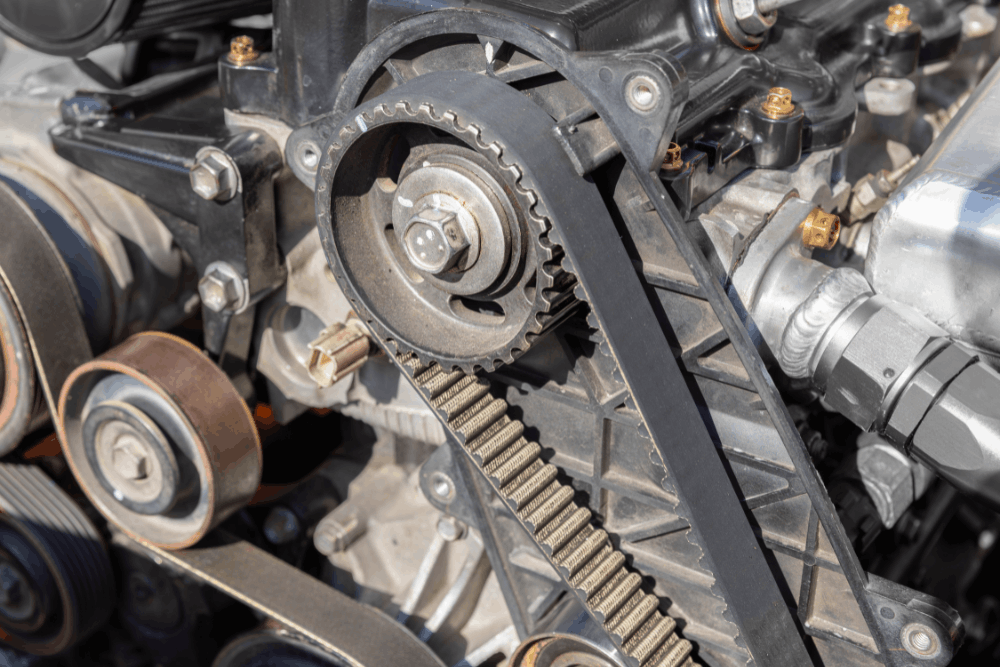
Before we dive into the warning signs, let’s talk about why your timing belt matters so much. This rubber belt with reinforced teeth connects your engine’s crankshaft to the camshaft, ensuring your valves open and close at exactly the right moments during each combustion cycle. When everything works correctly, your engine runs smoothly and efficiently.
Most vehicles have either a timing belt or a timing chain. Timing belts are made of reinforced rubber and typically need replacement between 60,000 and 100,000 miles, depending on your vehicle’s make and model. If your timing belt snaps while driving, the results can be severe. In interference engines (the most common type), the pistons and valves can collide, causing thousands of dollars in engine damage.
Why Preventative Timing Belt Replacement Saves You Money
Many drivers wait until they hear strange noises or experience problems before addressing timing belt issues. Unfortunately, by the time you notice obvious symptoms, you’re often close to complete failure. Our team at Mast Service Center uses Hunter diagnostic equipment and OE scan tools to accurately assess your timing belt’s condition and recommend replacement at the optimal time. Replacing a worn timing belt costs a fraction of what you’d pay for engine rebuild after a catastrophic failure.
Need a timing belt inspection? Visit us at 8608 North State Road 19, Etna Green, IN 46524, or call (574) 646-2127 to schedule your appointment today.
Sign #1 – Your Vehicle Has Reached the Manufacturer's Recommended Mileage
The most reliable indicator that you need timing belt replacement isn’t a symptom at all. It’s your odometer. Every vehicle manufacturer provides specific maintenance intervals for timing belt replacement, typically ranging from 60,000 to 100,000 miles. You can find this information in your owner’s manual or by asking our service advisors.
Don't Gamble With "Just a Few More Miles"
We often hear drivers say they’ll wait another 5,000 or 10,000 miles to save money now. This approach almost always backfires. Timing belts don’t provide much warning before they fail, and the damage from a broken belt far exceeds the cost of scheduled replacement. Our technicians follow manufacturer specifications precisely, ensuring your timing belt gets replaced at the right interval to prevent unexpected breakdowns.
Sign #2 – Unusual Ticking or Slapping Noises From the Engine
One of the earliest warning signs of timing belt wear is an unusual ticking, clicking, or slapping sound coming from the front of your engine. These noises typically occur because the belt’s teeth are wearing down or becoming damaged, causing the belt to slip or make contact with other engine components.
The sound often becomes more noticeable when you first start your vehicle or during acceleration. If you hear these noises, don’t wait to have your vehicle inspected. What starts as a minor annoyance can quickly escalate to complete belt failure.
What Causes These Noises?
Several factors contribute to timing belt noise:
- Worn or damaged belt teeth that no longer grip properly
- Misaligned pulleys putting uneven tension on the belt
- Oil contamination from leaking seals weakening the rubber
- Normal wear from age and heat exposure breaking down the belt material
At Mast Service Center, we inspect not just the timing belt itself but also the related components like tensioners, pulleys, and seals. This comprehensive approach ensures we address the root cause of any problems, not just the symptoms.
Sign #3 – Engine Misfires or Rough Idling
When your timing belt starts to slip or stretch, it affects the precise timing your engine needs to run smoothly. You might notice your engine misfiring, stumbling during acceleration, or running rough at idle. These symptoms occur because your valves aren’t opening and closing at the correct moments, disrupting the combustion process.
Some drivers mistake these signs for spark plug issues or fuel system problems. While those components can certainly cause similar symptoms, timing belt wear should always be on your diagnostic checklist, especially if your vehicle is approaching the recommended replacement interval.
Why Timing Matters for Engine Performance
Your engine relies on split-second precision. When the timing belt stretches or skips teeth, even by a small amount, it throws off the synchronization between your crankshaft and camshaft. This mistiming causes:
- Incomplete combustion leading to reduced power
- Increased emissions from unburned fuel
- Poor fuel economy as your engine works harder
- Potential damage to other engine components over time
Our ASE Master-certified technicians use advanced diagnostic equipment to pinpoint the exact cause of engine performance issues. If timing belt wear is the culprit, we’ll recommend replacement before the problem worsens.
Sign #4 – Visible Cracks, Fraying, or Glazing on the Belt
If you or your mechanic can visually inspect your timing belt (not all vehicles allow easy access), look for these warning signs:
- Cracks: Small cracks on the belt’s surface or between the teeth
- Fraying: Worn edges or material separation along the belt
- Glazing: Shiny, hardened appearance indicating heat damage
- Missing teeth: Gaps where teeth have broken off completely
- Oil contamination: Wet or slick appearance from seal leaks
Any of these conditions means your timing belt needs immediate replacement. At Mast Service Center, we perform thorough visual inspections during routine maintenance services, catching these problems before they lead to failure.
Why Regular Inspections Matter for Timing Belt Replacement in Etna Green
Many timing belt problems develop gradually. Regular inspections by trained technicians give you advance warning and help you plan for replacement at a convenient time rather than dealing with an emergency breakdown.
Sign #5 – Oil Leaks Near the Timing Belt Cover
Oil leaks around your timing belt cover often indicate failing gaskets or seals. While the leak itself needs repair, oil contamination poses a serious threat to your timing belt. Engine oil breaks down the rubber compound in your timing belt, causing premature wear and increasing the risk of sudden failure.
Common sources of oil leaks that affect timing belts include:
- Valve cover gaskets
- Camshaft seals
- Crankshaft seals
- Oil pump seals
The Hidden Danger of Oil-Contaminated Timing Belts
Once oil soaks into your timing belt, the damage is done. The belt’s rubber becomes soft and weak, and the reinforcing fibers lose their strength. Even if you repair the oil leak, the timing belt itself needs replacement. Our technicians at Mast Service Center address both issues together, replacing contaminated belts and repairing the source of the leak to prevent future problems.
We back our work with a 36-month/36,000-mile warranty on automotive repairs, giving you confidence that the job is done right.
Sign #6 – Difficulty Starting Your Vehicle
If your vehicle struggles to start or cranks longer than usual before firing up, a slipping or worn timing belt could be the cause. When the timing belt stretches or skips teeth, your engine’s timing gets thrown off, making it harder for combustion to occur properly during startup.
This symptom often appears gradually. You might notice your vehicle takes an extra second or two to start, or the engine cranks more times before catching. Don’t ignore these early warnings. They indicate your timing belt is losing its ability to maintain proper engine timing.
When to Change Your Timing Belt Based on Starting Issues
Hard starting, combined with other symptoms on this list, strongly suggests timing belt problems. Our diagnostic process at Mast Service Center includes testing your starting system, fuel delivery, and ignition components to rule out other causes. If the timing belt is the issue, we’ll recommend immediate replacement to prevent you from being stranded with a vehicle that won’t start at all.
Sign #7 – Smoke Coming From the Exhaust
Unusual exhaust smoke can point to timing belt issues, especially if you notice:
- Blue smoke: Indicates oil burning, possibly from damaged valves due to timing problems
- Excessive white smoke: Can signal coolant entering the combustion chamber
- Black smoke: Suggests unburned fuel from improper valve timing
When your timing belt slips or stretches, it affects when your valves open and close. This mistiming can cause valves to contact pistons in interference engines, leading to bent valves and damaged pistons. These internal engine problems produce visible exhaust smoke and require expensive repairs if not caught early.
Timing Belt Replacement Near Etna Green Prevents Catastrophic Damage
At Mast Service Center, we emphasize preventive maintenance because we’ve seen the devastating results of timing belt failure. A simple belt replacement costs hundreds of dollars. Repairing an engine damaged by a timing belt failure costs thousands. Our relationships over repairs philosophy means we communicate clearly about maintenance needs and help you make informed decisions about your vehicle’s care.
What Happens During Professional Timing Belt Replacement in Etna Green?
When you bring your vehicle to our shop for timing belt service, here’s what our ASE Master Certified technicians do:
- Complete inspection of the timing belt, tensioners, pulleys, and related components
- Replacement of the timing belt using high-quality parts that meet or exceed manufacturer specifications
- Tensioner and pulley replacement as needed (these components often wear at the same rate as the belt)
- Water pump inspection and replacement if necessary (many water pumps are driven by the timing belt)
- Seal inspection to check for oil leaks that could damage the new belt
- Precise timing adjustment using manufacturer specifications
- Test drive to verify proper operation
We use the same professional approach whether you drive a domestic pickup truck, a light-duty diesel, or a passenger vehicle. Our shop is equipped with the tools and equipment other shops in the area don’t have, including OE programming capabilities and comprehensive diagnostic equipment.
Why Choose Mast Service Center for Timing Belt Repair in Etna Green?
Our commitment to relationships over repairs sets us apart from other shops in the Nappanee and Warsaw area. When you need timing belt replacement or any other automotive service, you can count on:
- ASE Master-certified technicians with expertise in passenger cars and light-duty trucks
- NAPA Auto Care Center affiliation ensures quality parts and reliable warranties
- Only shop in the area with Hunter alignment and diagnostic systems
- Advanced OE diagnostic tools that other shops don’t have
- 36-month/36,000-mile warranty on automotive repairs
- Flexible communication through text, email, or phone, based on your preference
- Clean, professional facility that reflects our commitment to quality
- Transparent service process so you always know what we’re doing and why
FAQs About Timing Belt Replacement
How often should a timing belt be replaced?
Most manufacturers recommend timing belt replacement every 60,000 to 100,000 miles, depending on your vehicle’s make and model. Check your owner’s manual for the specific interval recommended for your vehicle, as some newer models may have different requirements.
What happens if my timing belt breaks while driving?
If your timing belt breaks while driving, your engine will immediately stop running, and you’ll lose power. In interference engines, the pistons can collide with valves, causing severe internal damage that requires expensive repairs, including bent valves, damaged pistons, and cylinder head work.
Can I replace just the timing belt, or do other parts need replacement too?
When replacing a timing belt, it’s best practice to also replace the tensioners, pulleys, and water pump if it’s driven by the timing belt. These components wear at similar rates, and replacing them together prevents future breakdowns and saves on labor costs since they’re already accessible.
How long does timing belt replacement take?
Timing belt replacement typically takes 3 to 5 hours, depending on your vehicle’s make and model. Some vehicles require more extensive disassembly to access the timing belt, while others allow easier access. The job requires precision and careful attention to ensure proper timing after installation.
Schedule Your Timing Belt Inspection in Etna Green Today!
Don’t wait until you’re stranded with a broken timing belt and expensive engine damage. If your vehicle shows any of these seven warning signs, or if you’re approaching your manufacturer’s recommended replacement interval, contact our team for a professional inspection. We’ll give you an honest assessment of your timing belt’s condition and help you plan for replacement before problems occur.
Visit Mast Service Center at 8608 North State Road 19, Etna Green, IN 46524, or call 574-646-2127 to schedule your timing belt inspection today. Our service area includes Nappanee, Warsaw, and surrounding communities. We’re here to keep your vehicle running reliably with the expert service you deserve.